
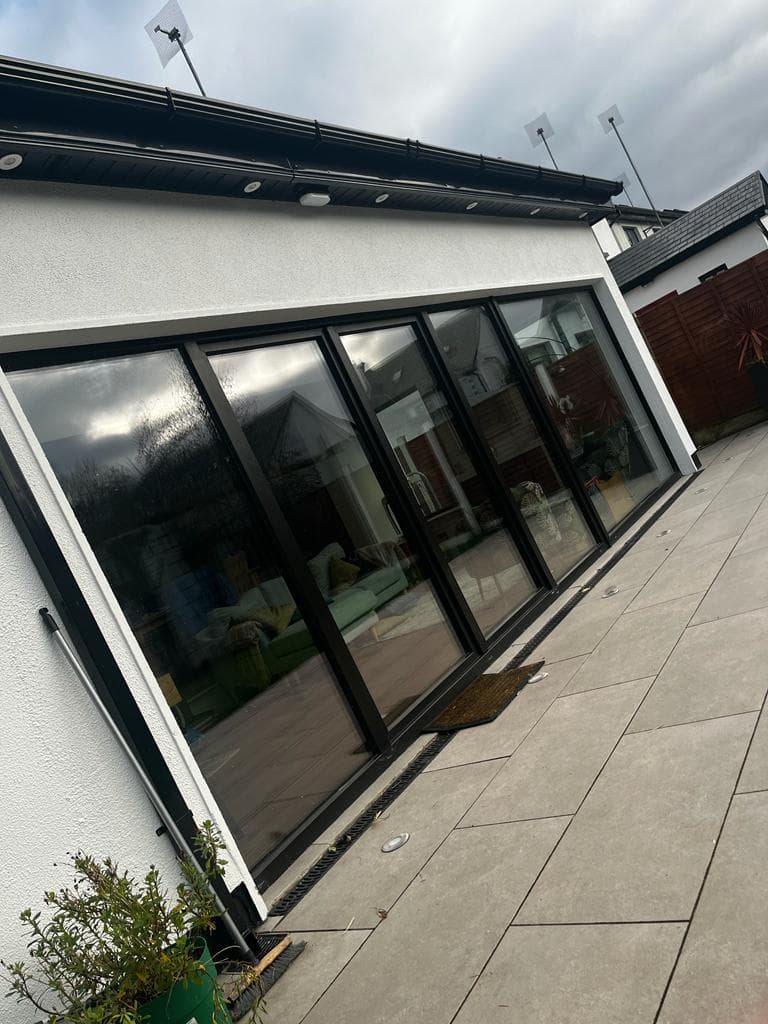
Modern uPVC, aluminium and aluclad windows are sold as low maintenance, and that is fair. It is not the same as no maintenance. A window that is wiped down, lubricated and checked twice a year will still be opening cleanly and sealing tightly in twenty years. One that is ignored tends to develop stiff handles, dropped sashes, blocked drainage and perished gaskets long before the glass itself has a problem. In Galway, with salt in the air near the coast and a lot of wind-driven rain everywhere, the gap between the two outcomes is bigger than most homeowners expect.
This guide covers the jobs that keep windows and doors working, how often to do them, and the few things that cause more harm than good. None of it needs special tools, and most of it takes an hour on a dry day in spring and another in autumn.
Clean the frames, not just the glass
Frames collect a film of traffic dust, pollen, algae and, near the sea, salt. Left alone, that film holds moisture against the surface and works into the seals. Wash frames with warm water and a small amount of washing-up liquid, using a soft cloth or sponge, then rinse and dry. On white uPVC this is usually enough. For stubborn marks, a dedicated uPVC cleaner is fine, but keep it off the rubber gaskets and never use cream cleaners, solvents, bleach or anything abrasive. They dull the finish permanently and the damage is not covered by any guarantee.
Powder-coated aluminium wants the same gentle approach, because the coating is a paint finish and marks if scrubbed. Coastal homes in Salthill, Barna, Spiddal or out towards Clifden should wash aluminium every two to three months if possible, since salt deposits are the main cause of coating failure over time. Woodgrain foils and composite door skins are cleaned the same way as plain uPVC. While the sashes are open, wipe out the rebates too, as that is where grit collects and gets ground into the gaskets every time the window shuts.
Keep the drainage slots clear
Every uPVC and aluminium window has small drainage slots along the bottom of the frame, often hidden under a plastic cap on the outside. Their job is to let any water that gets past the outer gasket drain back out. When they clog with dirt, moss or paint, water sits in the frame, and the first sign is usually a damp window board or a pool on the inside sill after heavy rain, which looks exactly like a leaking seal.
Check them in spring and autumn. Open the window, find the slots along the bottom of the frame, and clear them with a thin plastic strip, a pipe cleaner or a spray bottle. Sliding and bi-fold door tracks need the same treatment and more of it, because the track sits at ground level and catches leaves and gravel. Vacuum and wipe the track and clear the weep holes. If the doors have a linear drainage channel outside the threshold, lift the grille and clear that too.
Lubricate hinges, locks and handles
Friction hinges on casement windows, the multipoint locking gear on doors and the espagnolette strips on windows all have moving metal parts that need a light oil once a year. Use a silicone spray or light machine oil on hinges and the moving parts of the lock keeps, work the handle a few times, and wipe off any excess so it does not attract dust.
Two things to avoid. Do not spray penetrating oil into cylinder locks, as it gums up the pins over time; a graphite or PTFE lock lubricant is the right product for the keyway. And do not oil the rubber gaskets. A silicone-based gasket conditioner wiped along the seals once a year keeps them supple, but ordinary oil softens and degrades them.
If a handle has started to need force, do not keep forcing it. The usual causes are a sash that has dropped slightly on its hinges so the locking points no longer line up, or a lock gearbox that is wearing out. Both are cheap to fix early and expensive once something snaps.
Check the gaskets and the seal to the wall
Run a hand along the rubber gaskets on the frame and the sash. They should be soft, continuous and seated in their groove. A section that has shrunk back from a corner, hardened or pulled out can usually be replaced without touching the glass, and on older windows a gasket gone hard all round is often the real source of a draught blamed on the glazing.
Also look at the external silicone or mastic joint between the frame and the render or stone. It is a wearing part. In exposed Galway weather it lasts roughly ten to fifteen years before it cracks and pulls away, and once it does, rain gets behind the frame and into the reveal. Resealing is a straightforward job for dry weather, and worth doing before a bad winter rather than after.
A simple seasonal checklist
In spring, after the worst of the weather: wash frames and glass, clear drainage slots and door tracks, check external sealant for cracks, and look for any winter damage to hinges or restrictors. In autumn, before the storms: lubricate hinges and locks, condition gaskets, check that every window and door locks fully and smoothly, and clear the drainage again after the leaves have fallen. On coastal properties, add a quick frame wash in between.
That is the whole routine. Two short sessions a year, with a bit of extra washing near the sea.
When maintenance is not enough
Some problems are beyond a cloth and a can of silicone. Fogging between the panes means the sealed unit has failed and needs a new glass unit, not a repair, as explained in our guide to window condensation. A sash that has dropped so far the window will not lock, hinges that have corroded through, a frame that has gone brittle or discoloured, or gaskets that have perished all the way round on a twenty-five-year-old window are all signs the unit is at the end of its useful life. At that stage the sensible comparison is the cost of repeated repairs against the cost and energy saving of a new window, which our window cost guide covers in detail.
If you are not sure which side of that line your windows fall on, send a few photos with a quote request and we will tell you honestly whether a repair, a new glass unit or a replacement makes the most sense. For new installations, we walk every customer through this care routine at handover, because a well-fitted window from our windows and doors range should still be working as it did on day one long after the guarantee has run out.
Roof Windows and Dormer Windows in Galway: Replacing and Upgrading on Dormer Bungalows and Attic Rooms
Older postWindows & Doors in Tuam, Claremorris and North Galway / South Mayo
Planning a Similar Project in Galway?
KRB Construction & Windows can help with windows, doors, renovations, attic conversions and practical construction advice for your home.