
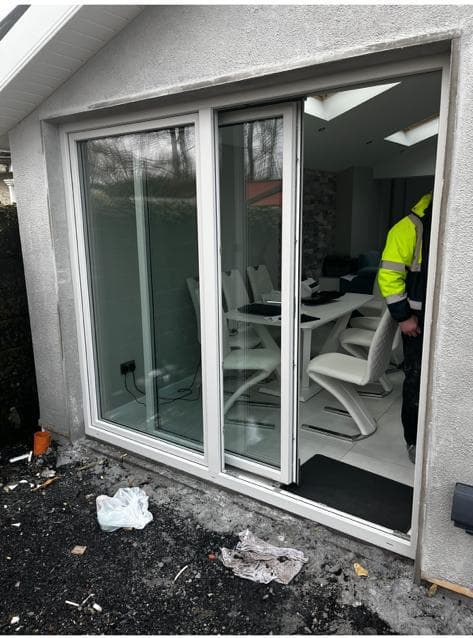
Autumn is the busiest time of year for us, and it is not a coincidence. The first proper Atlantic gale of the season is when people notice the cold spot in the hall, the curtain that moves with the window shut, or the room that never quite gets warm. Most of that is fixable — some of it in an afternoon, some of it with a proper upgrade. Here is the checklist we would work through on a Galway home before winter sets in.
Start by finding the draughts, not guessing
Before spending anything, spend twenty minutes locating where air is actually getting in. On a windy day, run the back of your hand slowly around the edges of window sashes, letterboxes, door frames, keyholes and the base of external doors. A lit candle or a thin strip of tissue held near the gap makes movement obvious.
Work through the usual suspects: the meeting point of opening sashes, the underside of external doors, the attic hatch, unused chimney flues, and where pipes or cables pass through external walls. Write down what you find room by room — that list tells you whether you have a maintenance job or a replacement job.
The quick wins worth doing yourself
A lot of winter discomfort comes down to perished seals and neglected hardware rather than failed windows:
- Replace worn gaskets. The rubber seal running around a uPVC sash hardens and shrinks over years of sun and salt air. Replacement gasket is inexpensive and makes an immediate difference to how tightly a window closes.
- Adjust the hinges and keeps. Most modern uPVC and aluminium windows have adjustable hinges and strike plates. A slightly loose sash that rattles in wind often just needs the keeps tightened so the seal compresses properly again.
- Lubricate the locking gear. A dab of light oil on the multipoint mechanism and hinges each autumn stops stiff handles becoming broken handles in January.
- Brush strips and letterbox seals. A good brush seal on the bottom of an external door and a sprung letterbox flap deal with two of the biggest single draughts in most hallways.
- Clear the drainage slots. The small slots along the bottom of a window frame let rainwater escape. Blocked with dirt or moss, water backs up and sits against the seal — a common cause of "leaking" windows that are not actually leaking.
Where draught-proofing stops and replacement starts
There is a point where sealing gaps is treating a symptom. The signs that a window or door has reached the end of its service life are fairly consistent: condensation or a misted look between the panes (the sealed unit has failed and no amount of draught strip will fix it), frames that have distorted enough that the sash no longer meets the seal along its full length, rot in timber frames, or hardware that has no adjustment left.
The other signal is radiant cold. If a room feels chilly near the window even when there is no detectable air movement, the problem is heat passing through the glass rather than around it — that is a glazing specification question, not a draught question, and it is worth reading up on double versus triple glazing or browsing our windows and doors service before deciding.
Heating and the rest of the fabric
Windows and doors are only part of the picture, and there is no sense upgrading them while heat leaves elsewhere:
- Attic insulation is still the cheapest square metre of comfort you can buy, and it is worth checking depth and coverage before winter — insulation that has been walked on or pushed aside during storage loses much of its value.
- Bleed the radiators and check that each one heats evenly from top to bottom. Cold at the top means air; cold at the bottom usually means sludge.
- Service the boiler before the cold arrives rather than after it fails, when everyone else is ringing the same numbers.
- Check heating controls. Thermostatic valves and a decent timer let you heat the rooms you use rather than the whole house at once, which is often the single cheapest efficiency improvement available. If radiators never feel like they keep up, it may be worth comparing them against our underfloor heating service.
- Look at the outside too. Blocked gutters, cracked render and loose flashing let water into the fabric, and wet walls lose heat far faster than dry ones.
Book the bigger jobs early
Window and door replacements take time — survey, manufacture, then installation — and lead times stretch as autumn goes on. If your checklist has turned up failed units, rotten frames or a front door that has never sealed properly, starting the conversation in early autumn generally means the work is done before the worst of the winter weather, not during it.
If you would like an honest opinion on whether your windows and doors need replacing or just servicing, request a quote with a few details about your home, or get in touch and we will arrange a survey anywhere in Galway City, County Galway and the surrounding counties.
Composite Door Colours and Styles: Palladio vs Mikea for Galway Homes
Older postUnderfloor Heating in Galway: Retrofit vs New Build
Planning a Similar Project in Galway?
KRB Construction & Windows can help with windows, doors, renovations, attic conversions and practical construction advice for your home.